
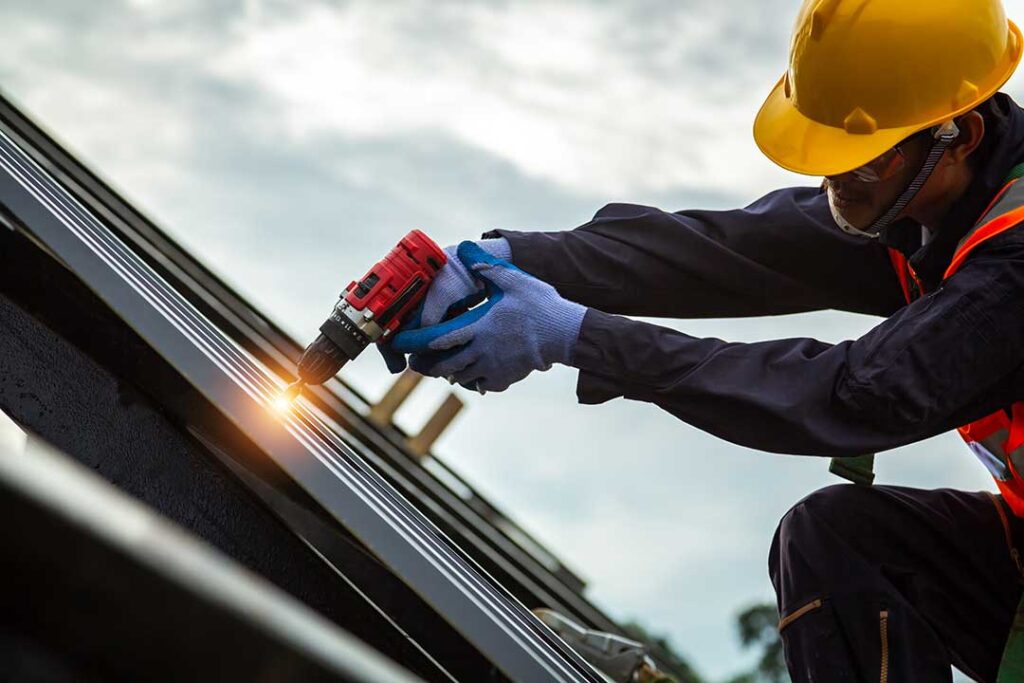
A roof emergency can turn a manageable problem into major interior damage within hours. In Greenwich, NY, heavy rain, strong winds, ice, snow, and fast temperature changes can all expose weaknesses in roofing materials. The safest response is to stabilize the situation, limit water intrusion, and document the damage without putting anyone at risk.
What counts as a roofing emergency?
A roofing emergency is a condition that allows water, debris, or outside air to enter the building or creates an immediate safety hazard. Not every roof problem requires action at the same hour, but some should not wait for normal maintenance.
Examples include:
- Water actively entering through the ceiling or walls
- A large section of shingles, flashing, or roofing membrane blown away
- A tree limb or other heavy object resting on the roof
- A visibly sagging roof surface or ceiling
- Exposed electrical wiring near water
- A blocked or damaged roof drainage area causing water to collect
- Ice or snow that has created unsafe weight or falling debris
A few missing shingles may not cause immediate interior damage, but they can allow moisture beneath surrounding materials. If rain or melting snow is expected, the issue deserves prompt attention.
What should residents do first?
The first priority is personal safety, followed by protecting the interior. Do not climb onto a wet, icy, snow-covered, or visibly damaged roof. Roof surfaces can be slippery even when they appear dry, and hidden structural damage may make walking dangerous.
Start with these steps:
- Move people and pets away from rooms with active leaks or ceiling damage.
- Place buckets or containers under drips, but avoid standing beneath a bulging ceiling.
- Move furniture, electronics, rugs, and other belongings away from water.
- Use plastic sheeting to cover items only if doing so can be done safely from the floor.
- If water is near light fixtures, outlets, appliances, or wiring, avoid contact with the area and shut off electricity only if the panel can be reached safely.
- Take photographs and short videos from a safe location.
A ceiling that is swollen, cracked, or sagging may collapse. Do not puncture it to release trapped water unless a qualified person has confirmed that doing so is safe and that electrical hazards are not present.
How can a temporary roof covering help?
A temporary covering can reduce additional water entry until permanent repairs are possible, but it must be installed correctly. A loose tarp can become airborne in high winds, damage siding or gutters, or create a fall hazard.
For a temporary cover to work:
- Use a tarp large enough to extend beyond the damaged area.
- Place it over the roof ridge when possible so rain sheds across the tarp rather than underneath it.
- Secure the tarp with boards or another method designed for temporary weather protection.
- Do not rely on nails driven directly through the tarp as the only attachment.
- Keep ladders, tools, and people away from unstable roof sections.
- Avoid temporary roof work during lightning, strong wind, freezing rain, or active snowfall.
If reaching the roof requires climbing, walking across damaged materials, or working near overhead electrical lines, the task is not suitable for an untrained person. A temporary ground-level measure, such as moving belongings and placing containers under leaks, is safer than attempting an emergency climb.
What should never be done during a roof emergency?
Several common reactions can increase damage or injury.
Do not:
- Walk on a roof that is wet, icy, snow-covered, or sagging
- Remove large branches or structural debris without assessing the roof first
- Use a household caulk as a substitute for repairing missing roofing materials
- Spray water on the roof to search for a leak during an active emergency
- Ignore stains because dripping has stopped
- Overload a ceiling or attic area with stored items while trying to reach a leak
- Use indoor heaters near wet materials, plastic coverings, or damaged wiring
- Assume a leak is directly above the visible ceiling stain
Water can travel along rafters, roof decking, insulation, and framing before appearing indoors. The visible stain may be several feet away from the actual entry point.
How should damage be documented?
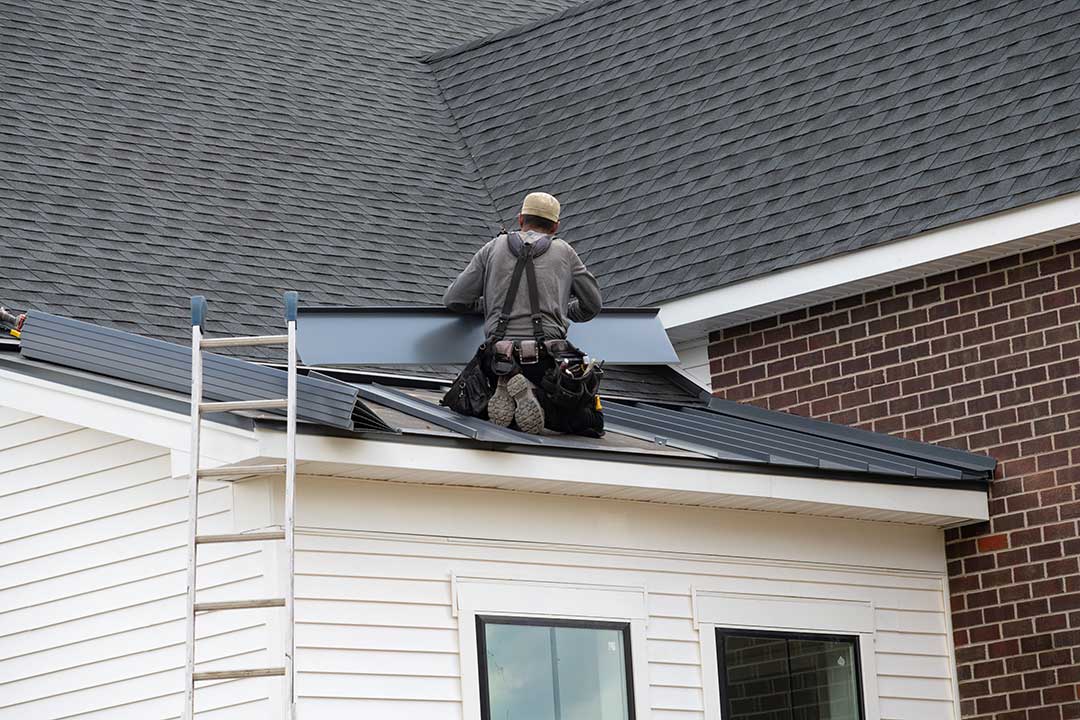
Good documentation helps explain what happened and what conditions existed before temporary measures were taken. Photograph the roof from the ground, if possible, along with damaged shingles, fallen limbs, interior stains, wet insulation, and affected belongings.
Record:
- The date and approximate time the damage was first noticed
- Weather conditions, such as high wind, heavy rain, snow, or ice
- The rooms or areas affected
- Any temporary actions taken
- Whether the leak continued or stopped
- Visible damage to ceilings, walls, gutters, vents, or attic materials
Keep receipts for emergency supplies, cleanup materials, temporary coverings, and related repairs. If an insurance claim may be involved, avoid throwing away damaged materials until the damage has been documented and any required inspection has occurred. Preventing further damage is reasonable, but major permanent repairs may complicate the record of what originally happened.
What roof problems are common after winter and storms?
Seasonal stress can reveal problems that were not visible from the ground. Ice, snow, and freeze-thaw cycles may loosen flashing, lift shingles, widen small cracks, and strain gutters. Strong summer storms can remove shingles, damage ridge caps, and force water beneath otherwise intact roofing.
Older homes and houses with multiple roof sections may have more than one possible leak path. Additions, porches, dormers, chimneys, skylights, and roof-to-wall intersections require particular attention because changes in roof angle create vulnerable seams.
After severe weather, a ground-level inspection may reveal:
- Shingles in the yard or driveway
- Bent or separated metal flashing
- Granules collecting near downspouts
- Sagging gutters or detached downspouts
- Torn vent covers
- Exposed underlayment or roof decking
- Damp attic insulation or darkened wood
A ground inspection cannot confirm that a roof is safe to walk on, but it can help identify whether further assessment is needed.
How long can a temporary repair last?
A temporary repair is meant to control water until permanent work can be completed. Its useful life depends on wind, rain, sunlight, freezing temperatures, the size of the damaged area, and how securely the covering was installed.
Do not treat a tarp, sealant, or replacement shingle as proof that the roof is fully repaired. Moisture may remain beneath the covering, and damaged flashing or underlayment may still need attention. After an emergency, check ceilings, attic spaces, and upper walls for several days, especially after the next rainfall.
Persistent musty odors, damp insulation, peeling paint, soft drywall, or new staining can indicate that water entered concealed areas. These signs deserve prompt evaluation because hidden moisture can contribute to mold growth and wood deterioration.
When is specialized help necessary?
Some conditions require trained assistance because the hazard extends beyond ordinary roof maintenance. Immediate help is appropriate when there is structural sagging, a large fallen tree, active electrical danger, extensive interior flooding, or damage that cannot be reached safely from the ground.
Roof work may also involve fall protection, temporary structural support, debris removal, and weatherproofing methods that are difficult to perform safely without proper equipment. In those situations, the priority is not speed at any cost. It is preventing a second emergency involving a fall, electrical shock, ceiling collapse, or additional structural damage.
For households in Greenwich, preparation before storm season can reduce confusion during an emergency. Keep a flashlight, gloves, plastic sheeting, buckets, towels, and a way to document damage in an accessible location. Knowing where the electrical panel and water shutoff are located can also help limit secondary damage while keeping everyone away from unsafe roof areas.
