
What Are Soffits and Fascia, and Where Are They Found?
Soffits and fascia are key architectural elements found along the edge of most roofs. Soffits are the underside panels tucked beneath the overhang of your roof, while fascia are the horizontal boards running along the roof’s edge, just behind the gutter.
Both are easy to overlook, but they quietly perform important roles in the protection, appearance, and ventilation of homes in Greenwich, NY.
Why Do Houses in Greenwich, NY Need Soffits?
Soffits serve primarily as a protective covering for the underside of roof overhangs. In the Northeast, where seasons bring everything from heavy rain to blowing snow, soffits help prevent wind-driven moisture and pests from getting into roof spaces.
Ventilated soffits play a crucial role in attic airflow. In Greenwich’s variable climate—with both humid summers and freezing winters—proper attic ventilation helps:
- Regulate temperature, reducing heating and cooling strain
- Minimize moisture buildup that can promote mold or wood rot
- Support the long-term health of insulation and the roof deck
Most local homes with eaves will have soffits of vinyl, aluminum, or wood, sometimes designed for improved airflow. Enclosed, unvented soffits are more common in older homes but may contribute to moisture issues.
What Is the Purpose of Fascia?
Fascia acts as a barrier between the edge of the roof and the outdoors. The primary practical function in Greenwich homes is to support gutters, which are vital for directing rain and melting snow away from foundations and landscaping.
Fascia also:
- Protects exposed rafter ends from weather, insects, and animals
- Helps prevent water from seeping under roof edges during storms
- Contributes to a home’s finished look, covering rough roof construction elements
In local households, fascia boards are often made of painted wood, but aluminum and composite materials are used for durability and reduced maintenance.
Can Soffits and Fascia Affect Energy Efficiency?
Yes, attic ventilation—often controlled by soffit openings—plays a part in overall energy efficiency. In Greenwich, where homes switch between heating and cooling, an attic that “breathes” well reduces heat loss in winter and overheating in summer.
Conversely, blocked or missing soffits can lead to:
- Ice dams in colder months, due to warm air being trapped in the attic and melting roof snow unevenly
- Increased summer cooling costs from attic heat
Fascia, while not ventilating, contributes by keeping water out, protecting insulation and wood from rot and associated energy loss.
What Problems Can Develop With Soffits and Fascia in This Area?
Soffits and fascia are vulnerable if water or pests find their way in. While Greenwich does not face the coastal salt and wind some areas do, it does see significant rain, heavy snow, and freeze-thaw cycles.
Common local issues include:
- Paint peeling or wood rotting (especially on older wooden fascia)
- Blocked soffit vents, reducing attic airflow
- Animal or insect entry through damaged or missing panels
- Staining or mold growth where ventilation is poor
Small repairs are sometimes manageable for handy homeowners, but extensive rot or high areas may raise safety concerns.
How Can You Tell If Soffits or Fascia Need Attention?
There are noticeable signs when these elements are not working as intended. Symptoms include:
- Sagging, cracking, or missing soffit panels
- Evident gaps or separations along fascia boards
- Visible mold or mildew on panels or near attic openings
- Leaking, crooked, or detaching gutters (often linked to fascia problems)
- Unexplained increases in attic moisture or pests
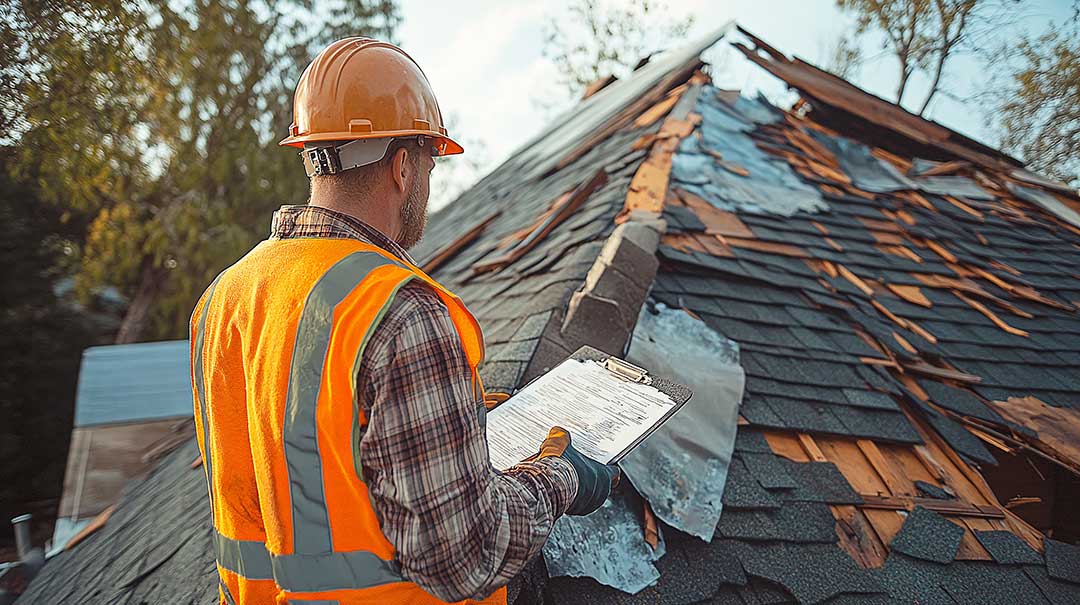
Regular visual inspection from the ground, especially after winter, can catch issues early.
Are There Maintenance Practices Suited to Local Homes?
In Greenwich, homes benefit from following several best practices:
- Keep gutters clear, as blockages cause water to back up behind the fascia
- Clean soffit vents gently with a soft brush or compressed air to prevent clogs from dust and leaves
- Watch for ice dam formation after snowstorms, since this can indicate or cause hidden damage
- Repaint or re-seal exposed wood every few years, especially for older homes
These habits are often easier to keep up with in early spring and late fall, before and after the most severe weather hits the area.
What Materials Are Well-Suited for Soffits and Fascia in Greenwich?
While many historic homes still feature wood, newer or replacement materials offer advantages:
- Vinyl and aluminum resist rot, warping, and insect entry
- Composite materials can mimic wood but withstand weather better
- Many ventilated soffit options can upgrade airflow without major reconstruction
The right material depends on the home’s style and the owner’s maintenance preferences. Local climate and tree cover may also influence material choice due to moisture and debris load.
Are There Misconceptions About Soffits and Fascia?
A common misconception among homeowners is that these elements are purely decorative. In reality, they act as essential lines of defense against water and pests, especially in the varied weather experienced throughout the year.
Another myth is that attic airflow isn’t necessary if the attic itself is insulated. Even with modern insulation, stale air in the attic can lead to condensation and costly repairs if soffits are blocked or missing.
