
How Do Pests Get Into Roofs in Greenwich, NY?
Pests can enter roofs and attics through surprisingly small gaps or breaches in the building envelope. In Greenwich, NY, residents often notice intrusions from squirrels, raccoons, mice, birds, bats, and insects—especially during cooler months or spring nesting periods. Entry points can be subtle or hidden, making regular inspection a critical part of prevention.
What Are the Most Common Entry Points for Pests?
There are several key areas of roof structures where pests often find their way inside homes in the area. Each presents unique challenges for detection and control:
Roof Vents and Exhaust Openings
Many pests use functional roof features like attic vents, soffit vents, and plumbing vents to access attics. These vents are designed to allow airflow but, when improperly screened or damaged, can provide an easy entrance for rodents, birds, or insects.
- Mice and bats can squeeze through holes as small as a dime
- Wasps and bees are drawn to unprotected gaps in vent structures
Gaps Around Eaves and Fascia
The intersection of the roof and walls, as well as the underside of eaves, often contains spaces that widen over time due to seasonal expansion and contraction. Squirrels and birds, for instance, may take advantage of loose fascia boards or damaged soffits to build nests.
Damaged or Missing Shingles
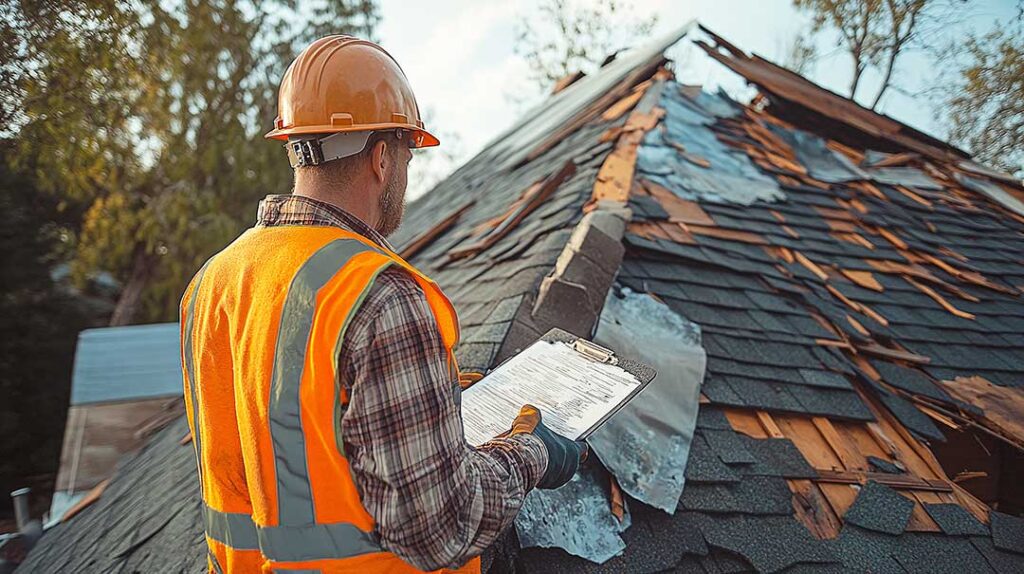
Shingles that have been blown off in Greenwich’s winter storms, or lifted by wind and ice, can create entry points for various pests. Small creatures can exploit even tiny weaknesses to pry their way inside.
- Shingle damage is especially common after freeze-thaw cycles or heavy winds common locally
Chimneys and Fireplace Flues
Chimneys are favored by birds, bats, raccoons, and sometimes rodents. Missing or damaged chimney caps leave flues exposed, while cracks in masonry or flashing can provide alternative routes inside.
Attic Fan Housings and Skylights
Gaps or cracks around roof penetrations such as fan housings and skylights, if not properly sealed, are easy for insects and smaller mammals to exploit. Over time, caulking can deteriorate, or flashing can pull away from the adjoining materials.
Why Is Greenwich, NY Particularly Vulnerable to Roof Pest Intrusion?
Greenwich’s climate, featuring cold winters and humid summers, influences local pest behavior. As temperatures drop, rodents and other warm-blooded creatures seek shelter in attics and wall cavities. Spring triggers nesting instincts for birds and squirrels, often resulting in attempts to access hidden, protected spaces in roofs.
The age and style of residential housing in Greenwich can also increase vulnerability. Many area homes feature older roofs or traditional architectural details with wooden soffits, fascia, or decorative vents, which are prone to warping, rot, and pest entry as they age.
What Pests Most Frequently Invade Roofs in This Area?
Several species are well-adapted to entering area homes through the roof:
- Squirrels: Known to gnaw into wooden soffits or loosened fascia to access attics for nesting, especially in spring and fall.
- Mice and Rats: Capable climbers and able to slip through gaps barely larger than a pencil.
- Bats: Colonies may exploit attic vents or tiny separations in trim boards.
- Birds: Starlings, sparrows, and pigeons seek sheltered nooks, often resulting in blocked vents or nests in eaves.
- Raccoons: Larger and stronger, raccoons can tear away roof shingles or pry open attic louvers if they detect warmth or a food source.
- Insects: Carpenter ants, bees, and wasps utilize tiny cracks where wood meets flashing or vent edges, sometimes building nests inside walls or under the roof decking.
What Might Residents Mistakenly Overlook When Checking for Pest Entry?
Several common issues can slip by unnoticed during routine inspections or home maintenance:
- Loose Flashing: Metal flashing around chimneys, valleys, and roof edges can develop gaps after storms, enabling entry.
- Unseen Gutter Issues: Clogged or improperly pitched gutters may cause water to back up, softening wood and creating easier access for pests.
- Hidden Soffit Openings: Eaves can conceal small holes that are only visible when viewed from a distance or from the attic.
- Behind Vegetation: Overgrown trees or climbing vines near the roofline provide bridges for squirrels, mice, or insects to reach vulnerable areas.
How Can Seasonal Conditions Affect Pest Problems?
Seasonal changes in this region influence both pest populations and their behavior:
- Fall and Winter: Rodents and some insects seek warmth inside attics or wall voids. After the first cold snap, increased activity is often noticed.
- Spring: Birds and squirrels become more active in search of nesting sites. Damaged vents or eaves from the winter are quickly exploited.
- Summer: Bees and wasps may establish colonies in less-visited corners of attics or soffit spaces.
Snow loads and ice dams can also dislodge roofing materials or force water behind flashing, unexpectedly creating new entry points that pests quickly exploit.
What Practical Steps Can Homeowners Take to Prevent Pest Entry?
Maintaining a pest-free roof relies on a mix of inspection, repair, and habitat management:
- Conduct visual inspections at least twice a year, especially after severe weather
- Check vents, chimneys, and attic fans for secure, intact screens or covers
- Seal small gaps around fascia, soffits, and roof penetrations with appropriate materials
- Remove overhanging branches or dense vegetation close to the roofline
- Monitor for signs of nesting activity, such as loose insulation, droppings, or audible movement in attics
- Keep gutters clear to avoid wood rot and maintain proper drainage around the edge of the roof
Limiting food sources near the house—such as unsecured trash, pet food, or birdseed—reduces the overall attraction of the property to foraging animals.
Focusing on these steps helps area households minimize the likelihood of pests establishing a presence inside the roof or attic, reducing the risk of damage and potential health hazards.
