
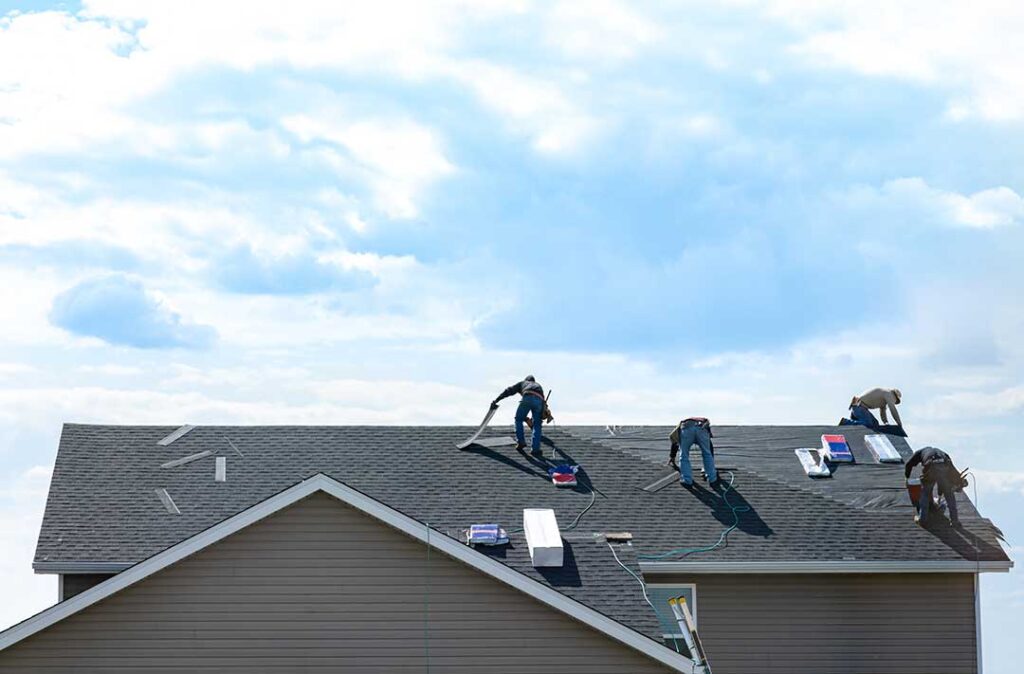
What Causes Rain Noise on Roofs in Greenwich, NY?
Rain noise happens when raindrops hit the exterior surface of a roof, especially in homes with certain roofing materials or attic configurations. In Greenwich, NY, where heavy rain and sudden downpours are not uncommon, the sound can be distracting or even disrupt sleep, especially in older or newly renovated homes.
Several factors determine how loud rain sounds inside:
- Type and thickness of roof material
- Attic insulation and ventilation
- Distance and type of ceiling below the attic space
- Shape and pitch of the roof
Local homes with metal roofing or minimally insulated attics often notice louder noise compared to those with shingled, tiled, or thickly insulated roofs. In this region, older farmhouses and Victorian-era homes can experience especially pronounced rain noise due to their construction styles.
—
Does Roof Type Make a Difference?
Yes—roofing material is one of the biggest contributors to rain noise. Here’s what area households can expect from common options:
- Metal roofing—Very durable but transmits noise easily unless paired with sound-absorbing layers. Rain, hail, and acorns can all sound much louder.
- Asphalt shingles—Most typical in the city and do a decent job of deadening the sound, though intensity increases if the decking underneath is thin or the attic is unfinished.
- Slate or clay tile—Find these on older homes in the region; very dense, they muffle noise well.
- Wood shakes—Somewhat sound-absorbing but can amplify noise if they become loose or weathered.
For those considering new materials during a replacement, keep in mind that a roof’s ability to insulate from noise depends on both the material and what’s underneath it.
—
Can More Attic Insulation Help?
Adding attic insulation is one of the most direct ways to decrease rain noise indoors. Insulation acts as a barrier, absorbing and muffling sound vibrations before they reach rooms below.
Local residents often upgrade their attic insulation not just for energy efficiency but for noise reduction. Types of insulation include:
- Fiberglass batts—Readily available and affordable; can be layered easily.
- Blown-in cellulose—More effective for irregular attic spaces; fills gaps thoroughly.
- Spray foam—Offers both insulation and some sound dampening, often used in more modern renovations.
Even a single new layer of insulation across the attic floor can make a noticeable difference in both comfort and noise throughout storms.
—
Do False Ceilings or Drywall Reduce Rain Noise?
Installing a finished ceiling, especially with drywall, can reduce how much rain noise enters living spaces. In many area homes with exposed rafters, sloped ceilings, or older construction, the lack of a finished ceiling directly beneath the roof magnifies the sound.
Adding or upgrading a ceiling includes:
- Mounting drywall below the existing rafters
- Using soundproofing boards or specialty drywall for extra dampening
- Sealing ceiling gaps to minimize sound leaks
For homeowners finishing attics as bedrooms or home offices, using drywall with an added sound-dampening layer can make upper-floor spaces much quieter during storms.
—
What Role Does the Roof Deck Play?
The roof deck—the plywood or boards directly underneath the shingles or roofing material—also influences noise. In Greenwich homes, especially older properties, thin or aging roof decking can transmit more outdoor sounds.
Reinforcing the roof deck (usually during a reroof) with thicker sheets or sandwiching a sound isolation mat between layers are long-term ways to quiet a roof. This approach is rarely done except during major roof repairs or replacements but can be a lasting solution.
—
Are There Ways to Quiet the Roof Without Major Renovation?
Yes, several low-impact and DIY adjustments can help muffle rain noise, especially in finished homes where big renovations may not be practical right away.
- Weatherstripping and caulking—Seal gaps around attic access points and ceiling light fixtures to stop sound leaks.
- Acoustic panels—Hang sound-absorbing panels on upper-floor walls or ceilings beneath the loudest roof sections.
- Heavy curtains or soft furnishings—Add rugs, plush furniture, or thick curtains in upper rooms to dampen overall indoor noise.
- Strategic use of white noise—Small machines can mask rain-related sounds, especially helpful in bedrooms.
These steps are most effective for homes where the roof structure is otherwise in good condition but noise is still bothersome.
—
Could Landscaping Make a Difference?
It’s easy to overlook, but the outdoor environment sometimes affects roof noise as well. In Greenwich, mature trees overhanging a roof can make noise louder by dropping water or debris directly onto roofing, especially metal roofs.
Trimming back tree branches, cleaning gutters, and removing built-up debris from the roof and valleys can minimize sudden, startling noises during storms. Regular outdoor maintenance is an indirect but helpful way to reduce the sharpest roof sounds during heavy rainfall.
—
When Should Safety or Building Codes Be Considered?
In rare cases, excessive noise during storms might hint at underlying issues—such as a damaged roof deck, aging insulation that’s no longer effective, or improper roof installation. Modern building codes in this region require certain insulation and ventilation standards, so major upgrades sometimes must comply with these rules.
If water intrusion or structural damage is suspected, safety and code compliance are critical, and more extensive assessment or repairs may be necessary.
—
