
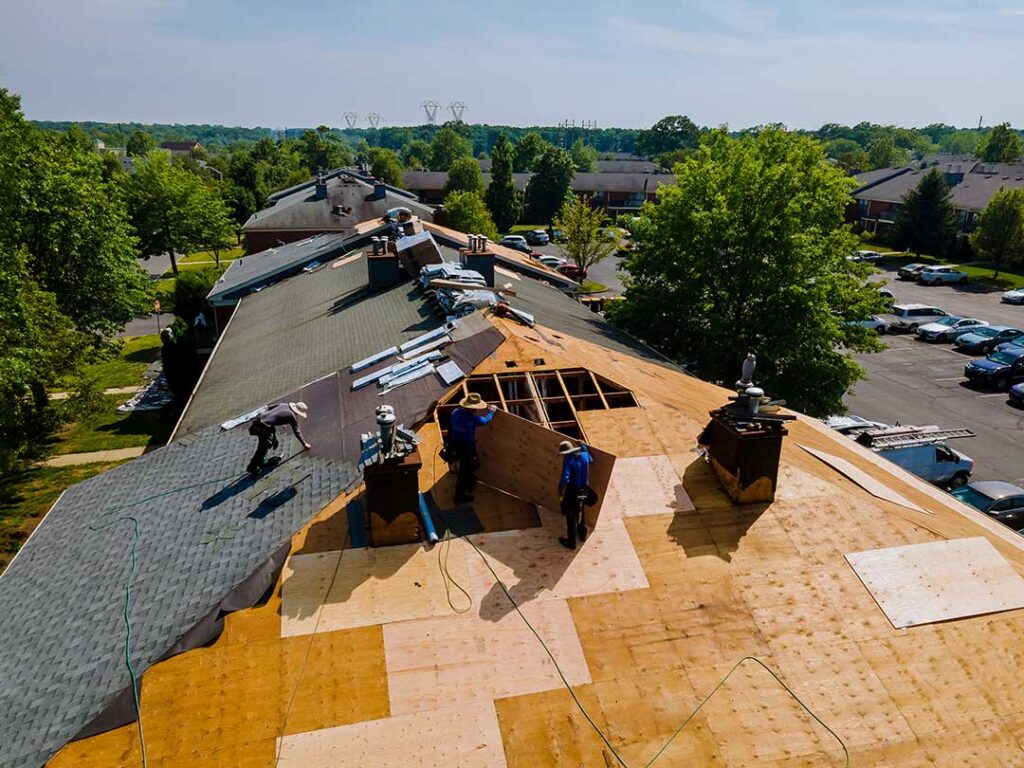
Shade trees can help a roof stay cooler, but they can also create moisture, debris, and maintenance problems. In Greenwich, NY, where roofs experience snow, spring rain, humid summers, falling leaves, and freeze-thaw cycles, the effect of nearby trees depends on species, distance, canopy density, and roof drainage.
Do shade trees make a roof last longer?
Shade can reduce the amount of direct sunlight reaching roofing materials, which may slow heat-related aging. This is especially relevant for asphalt shingles, whose surface can gradually dry, fade, and lose flexibility after years of ultraviolet exposure and repeated heating.
A shaded roof may also experience less extreme temperature change during sunny summer days. However, shade does not automatically extend roof life. If branches keep the roof damp, block ventilation, or drop organic debris into drainage areas, the disadvantages may outweigh the cooling benefit.
The most favorable arrangement is usually a tree that provides partial afternoon shade while remaining far enough away that branches do not touch the roof and leaves do not build up in valleys, gutters, or behind roof penetrations.
How does shade create roofing problems?
The main concern is not shade by itself. It is the moisture that often remains in shaded areas longer than it would on a fully exposed roof.
After rain, melting snow, or heavy dew, a shaded roof may dry slowly. Persistent dampness can encourage:
- Moss or algae growth, especially on north-facing or low-sun roof sections
- Decomposition of leaves and small twigs
- Staining and surface discoloration
- Deterioration around roof edges and flashing
- Ice formation in areas that remain cold and damp
Moss is more than a cosmetic concern. It can hold moisture against shingle surfaces and may lift or loosen the edges of shingles as it spreads. Algae generally causes staining rather than structural damage, but dark growth can retain heat and signal that a roof section is not drying efficiently.
Dense shade can also make it harder to notice small problems. A loose shingle, cracked seal, or damaged flashing may remain hidden until water reaches the attic or upper walls.
Why are overhanging branches a concern?
Branches that touch or scrape the roof can wear away protective granules from asphalt shingles. During windy weather, repeated movement may damage ridge caps, flashing, pipe boots, or other exposed components.
Overhanging limbs also provide a pathway for animals. Squirrels, raccoons, and birds may use branches to reach roof edges, chimneys, vents, or attic openings. Even small openings can allow water, insects, or cold air to enter.
Branches should not rest directly on the roof. Clearance needs vary by tree size and roof design, but a practical principle is to keep limbs from contacting roofing materials and to account for movement during wind and snow loading. Large limbs over a roof may require particular caution because pruning can be hazardous, especially near utility lines or steep roof sections.
Do leaves and pine needles damage roofing materials?
Leaves and needles usually do not damage a roof immediately, but accumulated organic material can create conditions that shorten the life of roofing components.
Debris is most troublesome in:
- Roof valleys, where water flows from two slopes
- Areas behind chimneys, dormers, and raised walls
- Low-slope sections
- Gutters and downspouts
- Spaces where branches meet roof edges
A thick layer of wet leaves can slow drainage and keep surfaces damp. In winter, compressed debris may freeze into a hard mass that blocks runoff. When melting begins, water can back up beneath shingles or overflow toward fascia boards and siding.
Pine needles are particularly persistent because they are narrow enough to collect beneath shingle edges, around flashing, and in gutter seams. Leaves and needles should be removed carefully rather than aggressively swept across shingles, which can loosen granules or lift tabs.
Can shade trees contribute to ice dams?
Shade trees do not directly create ice dams, but they can contribute to the conditions that make ice dams more likely. A shaded roof may stay colder after a snowfall, while warmer sections of the roof receive sunlight or heat from the attic. Uneven melting can send water toward colder eaves, where it may refreeze.
The more significant causes of ice dams are usually heat loss from the living space, insufficient attic insulation, air leakage, and inadequate ventilation. Tree shade can influence roof temperature, but it is rarely the sole cause.
If ice repeatedly forms along the eaves, the roof should be viewed as part of a larger attic and drainage system. Removing a tree may not solve the problem if warm air is escaping into the attic.
How can homeowners tell whether a tree is affecting the roof?
Regular observation is often enough to identify early warning signs. After storms and during leaf-fall season, look for:
- Branches rubbing against shingles or gutters
- Leaf piles remaining in valleys several days after rainfall
- Moss or algae concentrated beneath a tree canopy
- Sagging or overflowing gutters
- Damp stains on fascia, soffits, or exterior walls
- Shingle granules collecting in downspouts
- Daylight, moisture, or musty odors in the attic
- Repeated ice buildup along shaded eaves
Inside the attic, darkened wood, wet insulation, rusted fasteners, or water marks may indicate a drainage or ventilation problem. Water stains do not always appear directly below the roof leak because water can travel along rafters and roof decking.
Should trees near a home be removed?
Tree removal is not automatically necessary. Healthy trees can provide summer shade, wind protection, wildlife habitat, and benefits for the surrounding property. In many cases, selective pruning and better debris management are enough.
Removal may deserve consideration when a tree is dead, severely diseased, structurally unstable, leaning toward the house, or positioned where large limbs repeatedly damage the roof. Trees growing too close to the structure can also create long-term problems as trunks and root systems expand.
Pruning near a roof should be approached cautiously. Cutting large limbs can create falling hazards, and improper pruning may weaken the tree or encourage decay. Work near electrical lines presents additional danger and should not be treated as a routine do-it-yourself task.
What maintenance schedule works well in Greenwich?
A practical schedule follows the seasons rather than relying on a single annual inspection.
In spring, check for damage from snow, ice, and winter winds. Clear branches and examine gutters for packed debris. During summer, watch shaded roof sections for moss, algae, or slow drying after storms. In early autumn, remove accumulated leaves before freezing weather. After major wind or heavy wet snow, look for displaced branches, broken limbs, and visible roof damage.
Keeping gutters and downspouts clear is especially important where mature trees surround a home. Proper drainage reduces the chance that water will remain against roof edges, fascia, and foundation areas.
Shade trees are neither automatically helpful nor harmful to a roof. Their effect depends on whether they provide cooling without creating constant moisture, physical contact, blocked drainage, or hidden maintenance issues. A roof beneath a tree canopy can remain durable when branches are kept clear, runoff paths stay open, attic conditions are balanced, and seasonal debris is addressed before it becomes a wet, frozen layer.
