
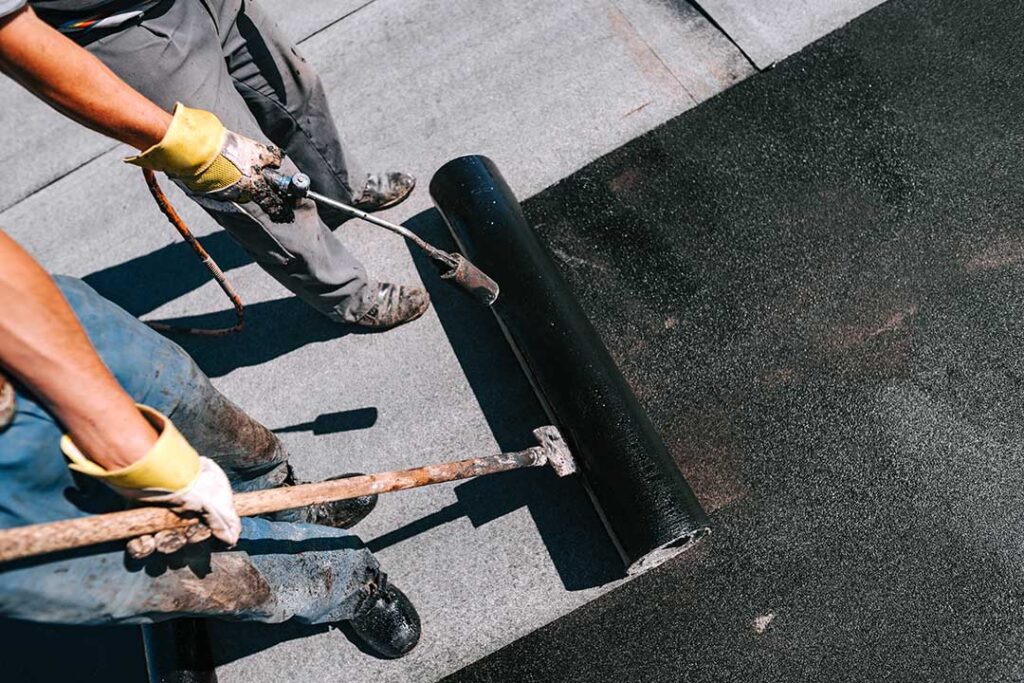
Roof maintenance is less about making a roof look new than preserving the systems that keep a house dry, insulated, and structurally sound. In Greenwich, NY, regular attention can help a roof withstand changing seasons while reducing the chance that a minor defect develops into interior damage.
Preventive maintenance does not guarantee that a roof will last forever. It does, however, make problems easier to identify, repairs easier to plan, and replacement decisions less likely to become urgent surprises.
What does preventive roof maintenance include?
Preventive roof maintenance means inspecting, cleaning, monitoring, and correcting conditions before they cause significant damage. It is different from waiting until water appears on a ceiling.
Typical maintenance includes:
- Checking shingles, metal panels, flashing, vents, and roof edges for visible damage
- Clearing leaves, branches, and other debris that hold moisture against roofing materials
- Inspecting gutters and downspouts for blockage, separation, or poor drainage
- Looking for exposed fasteners, loose materials, cracked sealant, and deteriorated flashing
- Checking attic areas for damp insulation, staining, daylight, mold-like growth, or poor ventilation
- Trimming branches that rub against the roof or create heavy debris accumulation
- Recording changes with dated notes or photographs
Some of these tasks can be safely handled from the ground. Walking on a roof is more hazardous than it may appear, especially when surfaces are wet, steep, icy, brittle, or covered with moss and debris.
Why does seasonal weather matter in Greenwich?
Seasonal changes place repeated stress on roofing materials. Snow, freezing temperatures, wind, rain, summer heat, and rapid shifts between warm and cold conditions can affect different parts of the roof in different ways.
Freeze-thaw cycles are especially relevant. Water can enter small cracks or gaps, freeze, expand, and gradually enlarge the opening. Ice can also contribute to drainage problems when meltwater cannot move freely through gutters and downspouts.
Wind may lift or loosen shingles, flashing, ridge caps, or other exposed components. Even when a roof does not visibly leak, a small area of displacement can allow later moisture entry.
Warm-weather inspection is useful because materials are generally easier to see and access safely. A second check after severe weather can identify damage before it is hidden by snow or worsened by repeated rainfall.
How does maintenance extend roof life?
Maintenance extends useful service life by addressing the conditions that accelerate deterioration. Water is the primary concern, but moisture is not the only source of wear.
A blocked gutter can cause water to overflow near roof edges, fascia, siding, windows, or the foundation. Damaged flashing can direct water beneath roofing materials. Poor attic ventilation can contribute to excess heat and moisture, which may affect roof decking, insulation, and fasteners.
Removing debris also reduces prolonged dampness. Leaves and organic material can trap water against the surface, encourage biological growth, and hide damaged areas. Branches that repeatedly scrape across shingles can remove protective granules and expose the underlying material.
The long-term benefit is not simply that individual repairs cost less. A maintained roof is less likely to allow damage to spread into insulation, ceilings, wall cavities, framing, or interior finishes.
What are the financial benefits of early attention?
Preventive maintenance can reduce the size and complexity of future repairs, although savings vary by roof age, material, design, and the severity of the problem.
A small flashing defect may initially affect only a limited area. If ignored through several wet seasons, moisture may damage roof decking or migrate into an attic and wall assembly. By that point, the repair may involve more materials, more labor, and more interior restoration.
Maintenance also improves budgeting. A roof nearing the end of its expected service life can be monitored and planned for rather than replaced during an emergency. Planned work may allow time to compare material options, consider ventilation improvements, and coordinate the project with other household expenses.
The value is therefore both preventive and organizational: fewer surprises, better information, and more control over timing.
Can maintenance prevent every roof leak?
No. Maintenance lowers risk but cannot eliminate it. New roofs can be damaged by wind, falling limbs, hail, construction activity, or unusual weather. Older roofing materials may also fail because of age-related brittleness even when they have been maintained properly.
A roof inspection should not be treated as a guarantee. It is a snapshot of visible and accessible conditions at a particular time. Some problems develop between inspections, while others may be hidden beneath roofing layers or inside the attic and walls.
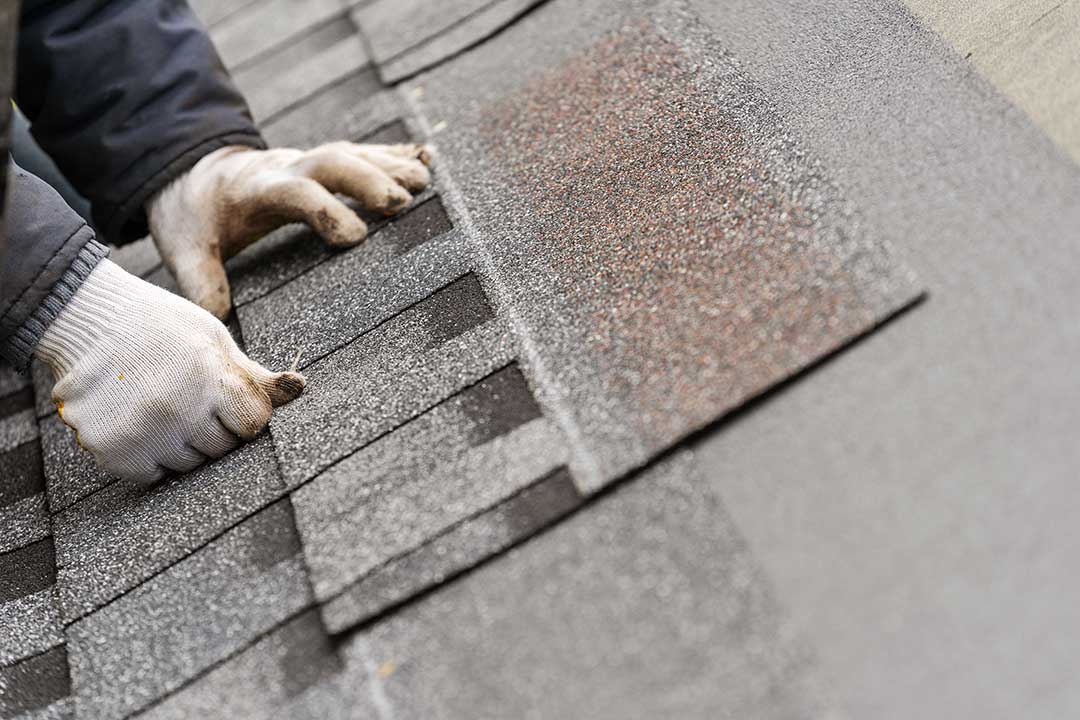
After heavy wind, falling branches, or unusually intense rain, an additional visual check is sensible. Signs that deserve prompt attention include:
- New ceiling or wall staining
- Damp insulation or musty attic odors
- Missing, lifted, cracked, or heavily worn roofing materials
- Water marks near chimneys, vents, skylights, or roof intersections
- Sagging roof areas or visibly displaced gutters
- Granules collecting in gutters or near downspout outlets
Active leaks, sagging, structural damage, or electrical hazards require caution. Interior water should be kept away from electrical fixtures, and damaged areas should not be entered if the structure appears unstable.
How often should a roof be checked?
A practical maintenance schedule includes a general visual review at least twice a year, commonly in spring and fall, plus checks after major storms. The exact frequency depends on roof age, pitch, surrounding trees, drainage, material type, and exposure to wind.
Spring checks can reveal damage from winter weather, ice, fallen branches, and blocked drainage. Fall checks help remove debris and identify conditions before snow and freezing temperatures make access more difficult.
Older roofs, roofs beneath mature trees, and homes with recurring ice or drainage problems may benefit from more frequent observation. A written record can help distinguish new changes from long-standing conditions and can provide useful information when evaluating repair priorities.
Does a newer roof still need maintenance?
Yes. A newer roof still has flashing, gutters, ventilation components, penetrations, and drainage paths that can develop problems. Early maintenance is also useful for identifying installation-related concerns before they become difficult to distinguish from ordinary aging.
Maintenance should focus on the entire roof system rather than shingles alone. A roof can have intact surface materials but still experience trouble from blocked gutters, failed flashing, poor ventilation, or moisture entering at an edge or penetration.
Avoid applying coatings, sealants, or chemical treatments without understanding whether they are compatible with the roofing material. Some products can trap moisture, damage surfaces, or conceal conditions that should remain visible.
Which tasks require extra safety?
Roof work becomes hazardous during rain, snow, ice, high wind, or extreme heat. Ladders can shift, surfaces can be slippery, and older materials may break under pressure. Power lines, steep slopes, and unstable tree limbs add further risks.
Ground-level maintenance is generally safer, including checking downspout discharge, removing accessible debris, observing roof edges with binoculars, and looking for interior signs of moisture. Any task involving roof access, steep surfaces, uncertain structural conditions, or specialized equipment should be approached cautiously.
The long-term value of preventive care comes from consistent observation and timely correction—not from taking unnecessary risks. A roof that is monitored throughout its service life is easier to understand, easier to budget for, and more likely to protect the rest of the home as intended.
