
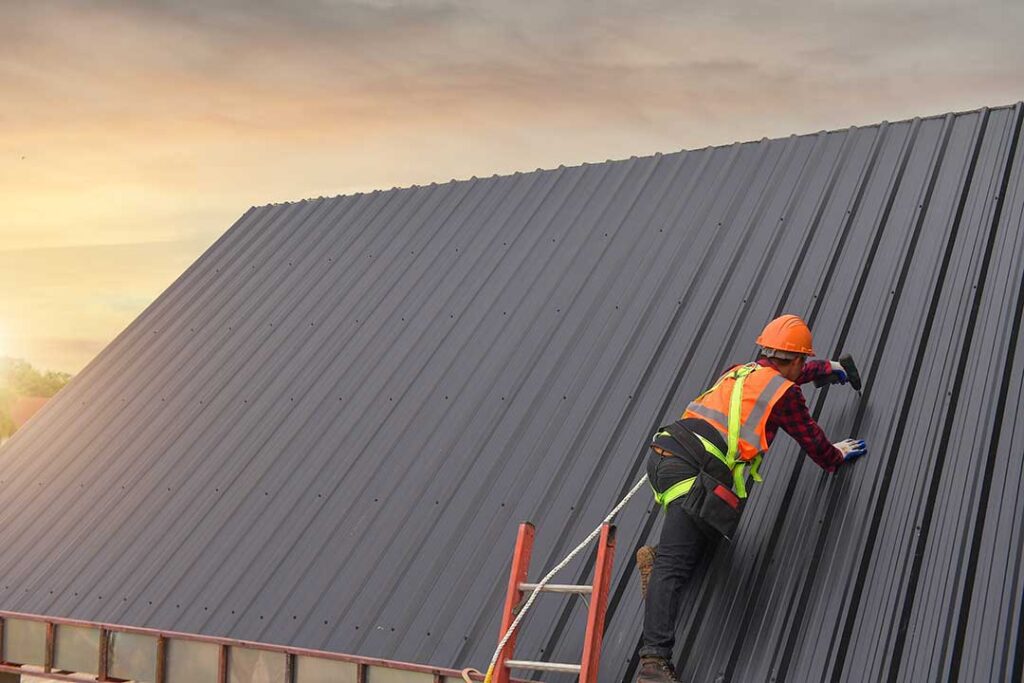
Should homeowners climb onto a roof?
Most homeowners should avoid walking on a roof unless there is a clear safety reason and the right equipment, training, and weather conditions. Roof surfaces can be steep, fragile, wet, icy, or covered with loose materials that are difficult to see from the ground.
For many routine checks, a safer approach is to inspect the roof from the ground, attic, windows, or a properly positioned ladder without stepping onto the roof. A pair of binoculars can help identify missing shingles, lifted flashing, sagging areas, or debris near roof edges.
In Greenwich, NY, seasonal changes can create additional hazards. Snow, freezing temperatures, spring rain, wind, and damp leaf buildup may leave roofing materials slippery even when the roof looks reasonably dry.
What should be checked before using a ladder?
A ladder should be inspected and placed carefully before anyone climbs. Many rooftop accidents begin with a ladder that shifts, rests on an unstable surface, or is positioned too close to electrical equipment.
Before using a ladder:
- Check for cracked rails, bent parts, loose hardware, or damaged feet.
- Set it on firm, level ground rather than soil, ice, loose gravel, or wet grass.
- Keep the base clear of toys, tools, branches, and other trip hazards.
- Use the correct ladder length so the top does not need to be reached from an unsafe position.
- Keep the ladder away from overhead electrical lines.
- Face the ladder while climbing and keep both hands available whenever possible.
- Maintain three points of contact: two hands and one foot, or two feet and one hand.
- Never move or “walk” a ladder while standing on it.
For access to a roof edge, the ladder must extend above the landing area far enough to provide a secure handhold. A ladder should not be used during strong wind, rain, freezing precipitation, or other conditions that make footing unreliable.
How can a homeowner inspect a roof without climbing on it?
A ground-level inspection can reveal many problems without exposing anyone to fall hazards. Look at the roof from several sides of the house, especially after heavy wind or a storm.
Useful signs to look for include:
- Shingles that are missing, curled, cracked, blistered, or displaced
- Dark patches that may indicate exposed underlayment or moisture
- Metal flashing that appears loose or pulled away
- Sagging along the roofline or around valleys
- Debris collecting in valleys or behind roof features
- Granules collecting in gutters or at downspout outlets
- Moss, algae, or plant growth that may retain moisture
- Damaged vents, skylights, chimneys, or roof-mounted equipment
Binoculars are helpful for checking upper roof areas. Photographs taken from the ground can also make it easier to compare conditions after a storm or across different seasons.
A roof that looks acceptable from the ground may still have hidden damage. If the attic has a musty smell, damp insulation, stained sheathing, or daylight visible through the roof deck, entry onto the roof may not be necessary to recognize that further evaluation is needed.
What conditions make rooftop work especially dangerous?
Weather is a major safety factor. A roof can remain hazardous for hours or days after precipitation has ended.
Avoid rooftop work during or shortly after:
- Rain, freezing rain, sleet, or snow
- Frost or morning dew
- High winds or sudden gusts
- Thunderstorms or nearby lightning
- Extreme heat that softens roofing materials
- Rapid temperature changes that create melting and refreezing
- Heavy leaf accumulation or wet organic debris
Winter deserves extra caution in the local area. Snow can conceal weak spots, roof edges, skylights, and changes in elevation. Ice can also slide unexpectedly from a roof and injure someone below. Snow removal from a roof should not be treated as a routine do-it-yourself task, particularly when the roof is steep, heavily loaded, or difficult to access safely.
How should someone protect against falls?
Fall protection requires more than simply wearing shoes with good tread. A safe setup may require a properly installed roof anchor, a compatible harness, a lifeline, and knowledge of how the system works. Improvised ropes, unsecured brackets, and household objects are not reliable substitutes.
Homeowners should never rely on:
- A gutter as a handhold
- A chimney, vent pipe, or antenna as an anchor
- A loose rope tied to a tree or vehicle
- A single narrow plank placed across shingles
- A ladder positioned on a roof slope without proper stabilization
- Athletic shoes alone as protection from a fall
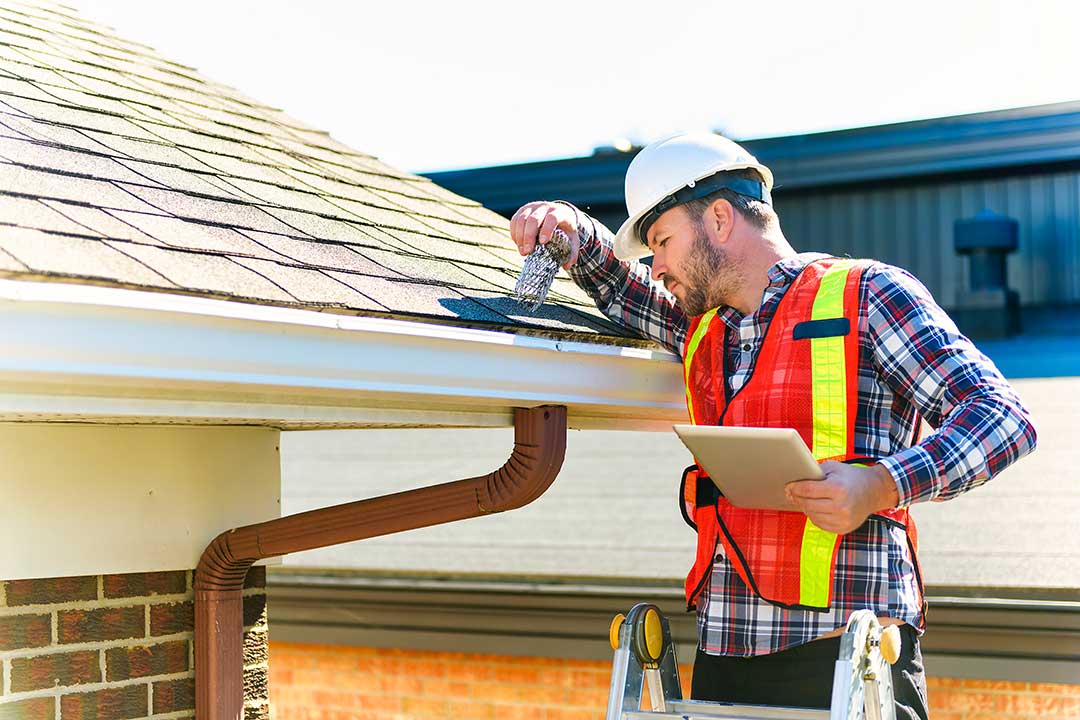
Roof edges, valleys, dormers, skylights, and areas near chimneys can be more dangerous than broad, open roof sections. Skylights are especially concerning because some are not designed to support a person, even if they appear solid or are covered with dirt and snow.
What tools and clothing are safest?
Wear clothing that allows unrestricted movement without loose drawstrings or dangling straps. Soft-soled, slip-resistant footwear is generally more suitable than smooth-soled shoes, sandals, or worn work boots.
A basic safety setup may include:
- A properly fitted helmet when there is a risk of falling objects
- Work gloves that improve grip without limiting finger movement
- Eye protection when handling debris or using tools
- A tool belt or controlled method for carrying equipment
- A stable bucket or hoist system instead of carrying loose tools while climbing
Do not place tools on sloped roofing where they can slide. Materials falling from a roof can injure people, damage vehicles, break windows, or harm pets. Keep children, visitors, and animals away from the area below, and avoid working above entry doors or active walkways.
Is roof maintenance safe to do alone?
Some ground-level tasks, such as clearing small amounts of debris from a safe location, may be manageable alone. Climbing, ladder work, and any task near an edge should not be treated as solitary activities.
At least one person should remain aware of the work and know how to summon help. A phone should be accessible, but it should not distract the person climbing. Before starting, identify where a fall could occur, where tools may drop, and how the area below will be kept clear.
If someone falls, do not move the injured person unless there is an immediate danger such as fire or structural collapse. Call emergency services and provide the exact location, condition of the person, and any known hazards.
When should a homeowner stop and get specialized help?
A homeowner should stop work when the roof is steep, damaged, unstable, wet, icy, heavily snow-covered, or difficult to reach. Professional assistance is also appropriate when the task involves structural repairs, electrical equipment, chimney work, extensive snow removal, or fall-protection systems.
Warning signs that make climbing particularly unsafe include:
- A roofline that sags or appears uneven
- Soft areas underfoot
- Large sections of missing roofing
- Exposed decking or underlayment
- Severe storm damage
- Ice dams or thick roof ice
- A ladder that cannot be placed securely
- The need to work near overhead power lines
The safest inspection is often the one completed from the ground. If a condition cannot be evaluated without climbing, the risk should be considered before the task begins rather than after an accident occurs.
How can rooftop safety be planned before storm season?
A seasonal safety plan reduces the need for urgent roof access. Before winter, homeowners can inspect attic areas, gutters, downspouts, flashing, and visible roofing from the ground. After major wind or snow events, check for fallen materials, blocked drainage, and signs of moisture inside the home.
Keep ladders, extension tools, and stored materials secured so they do not become hazards during strong weather. Trim branches that could strike the roof, but do not attempt tree work from a roof or ladder unless the equipment and training are appropriate.
For households in Greenwich, preparing before freezing weather arrives is especially useful. A dry-weather inspection is safer and provides a clearer baseline for recognizing storm damage later.
